Food Waste Prevention
Woolworths
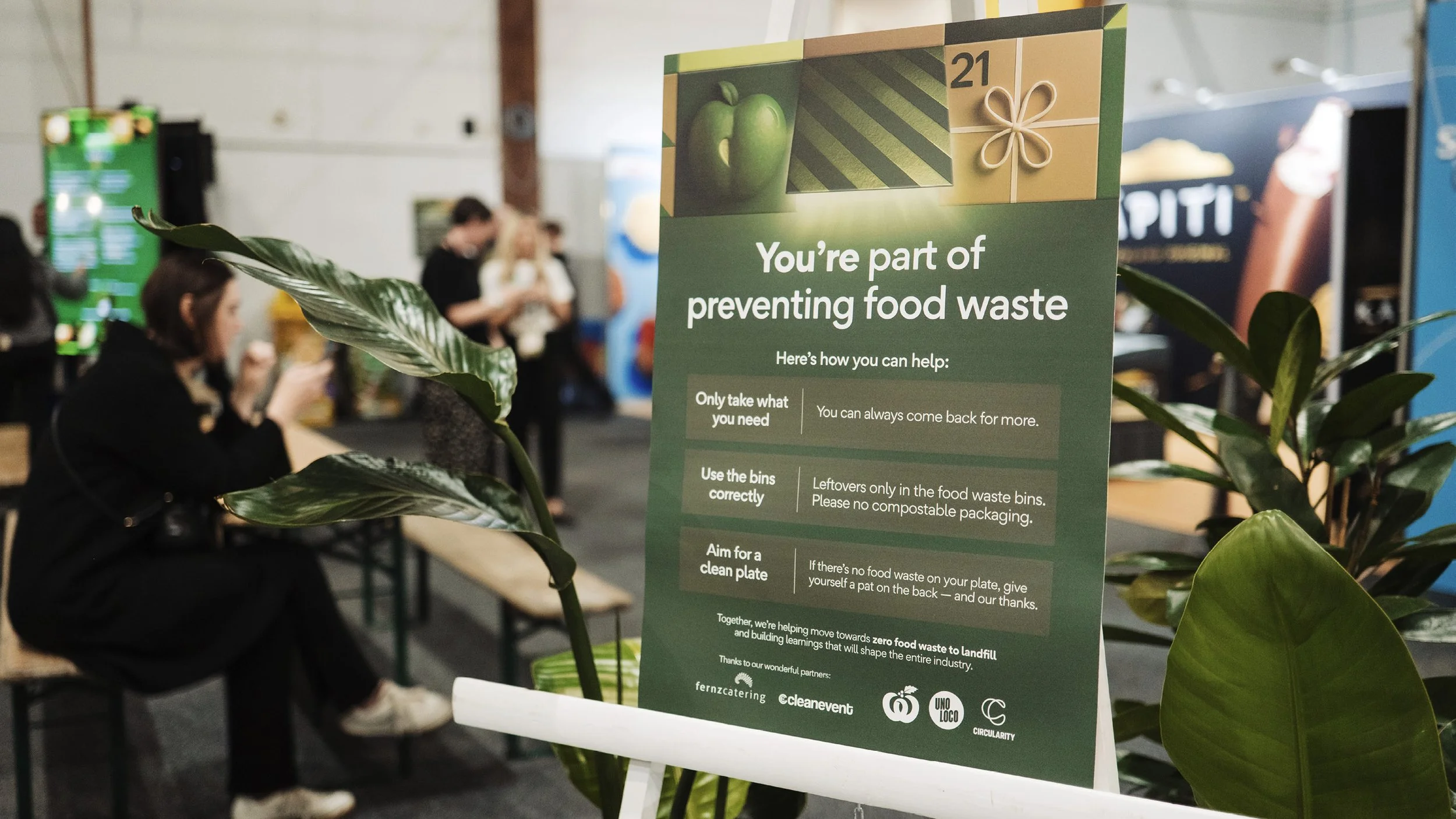
Woolworths New Zealand engaged Uno Loco to deliver its flagship experience event while advancing ambitious zero-food-waste-to-landfill goals. Working alongside Circularity, Uno Loco was tasked with embedding circular thinking into live catering operations and creating a repeatable blueprint for future events.
H&S MANAGEMENT | PRODUCTION MANAGEMENT | STRATEGIC EVENT DESIGN | DESIGN | PRINT
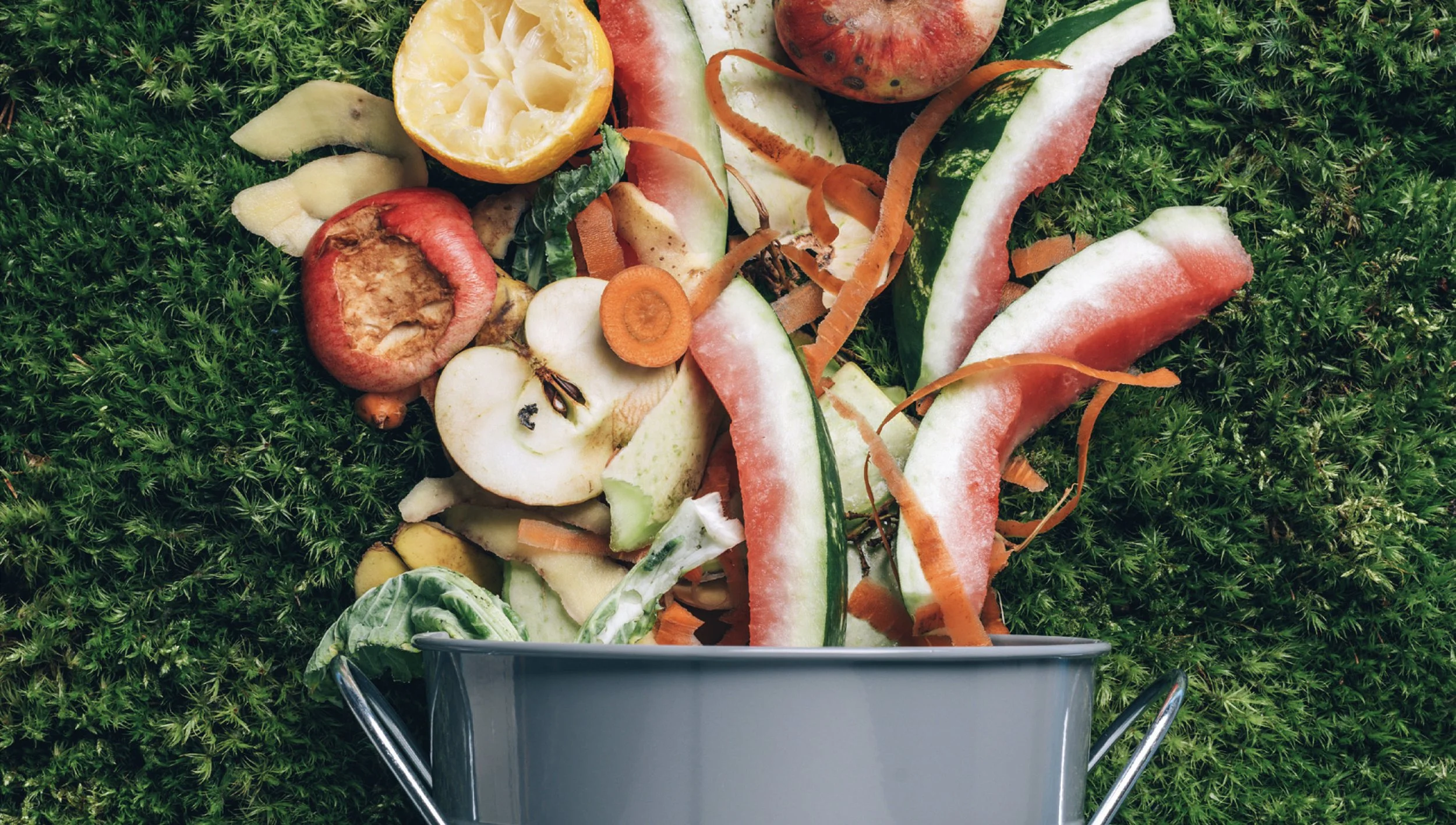
The brief was to capture the vast majority of food waste generated on site, understand where and why it occurred across kitchens and service areas and identify practical ways to reduce it year on year through smarter menu design, forecasting and service systems.
Opportunity
Large-scale events operate complex food systems and even small inefficiencies can carry outsized environmental impact. Rather than focusing only on diversion at the end of service, the team saw an opportunity to design waste prevention into every stage of the event journey, from registration data and menu planning through to buffet layouts and guest behaviour.
WWNZE had the potential to become a real-world testbed for circular catering, catalyse behaviour change across catering teams and establish a benchmark for how Woolworths NZ and Uno Loco events could operate in future.
Our response
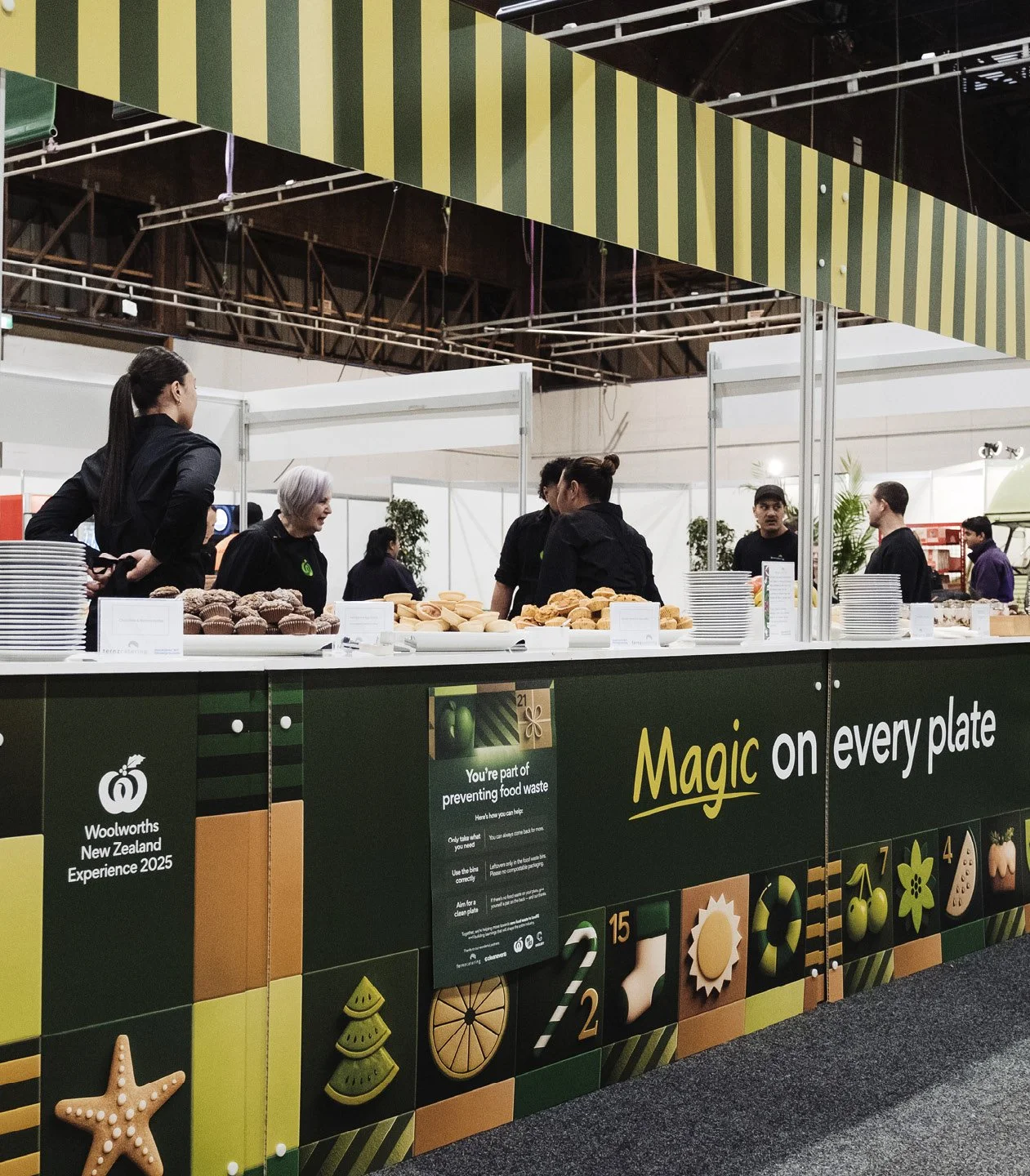
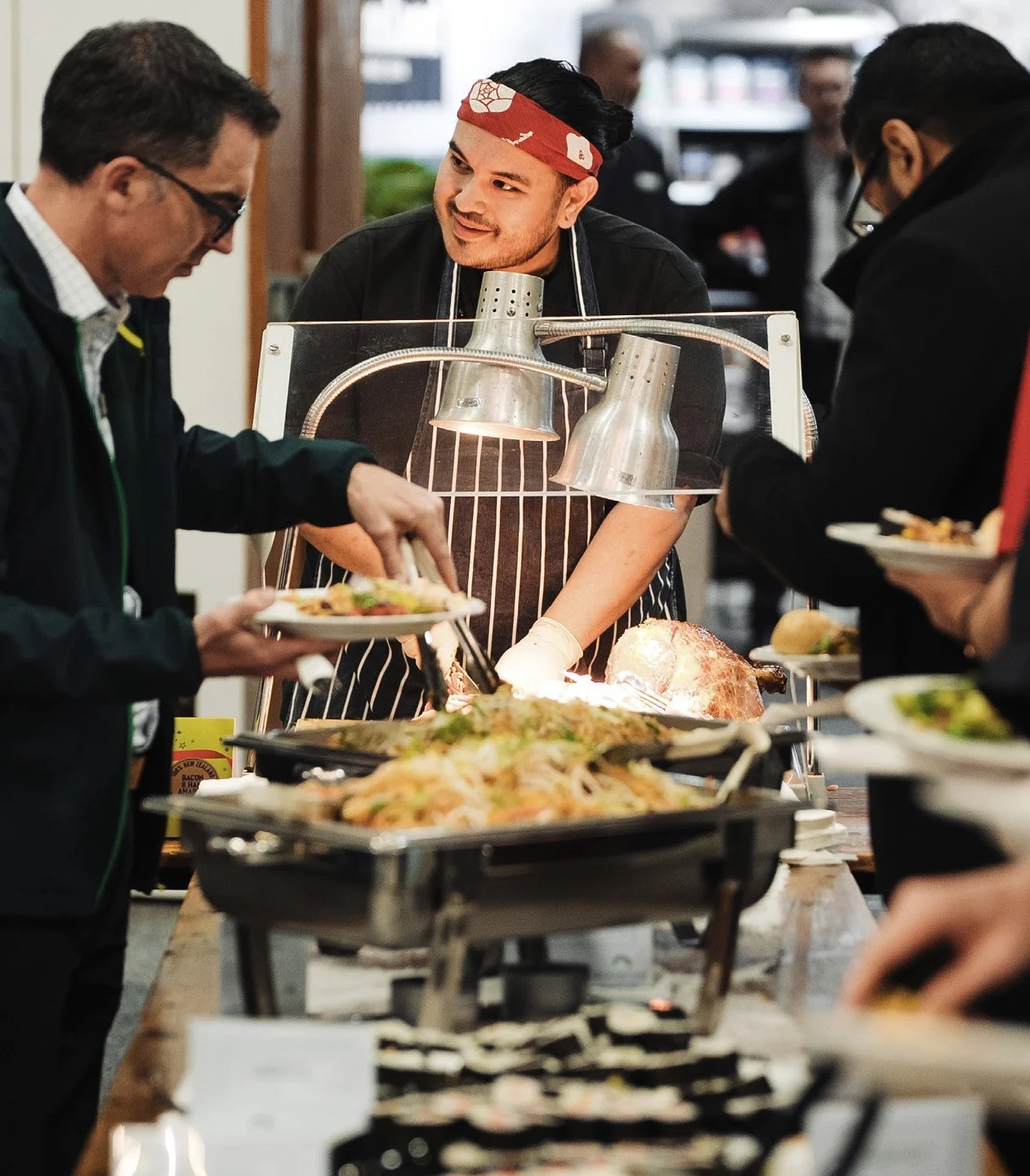
Uno Loco partnered with Circularity, Fernz Catering and Clean Events to design and deliver a comprehensive food-waste audit embedded directly into live operations. Food was measured at three points across the system: main kitchens where preparation trimmings accumulated, satellite kitchens where surplus and spoilage appeared and service areas where uneaten meals were returned from plates.
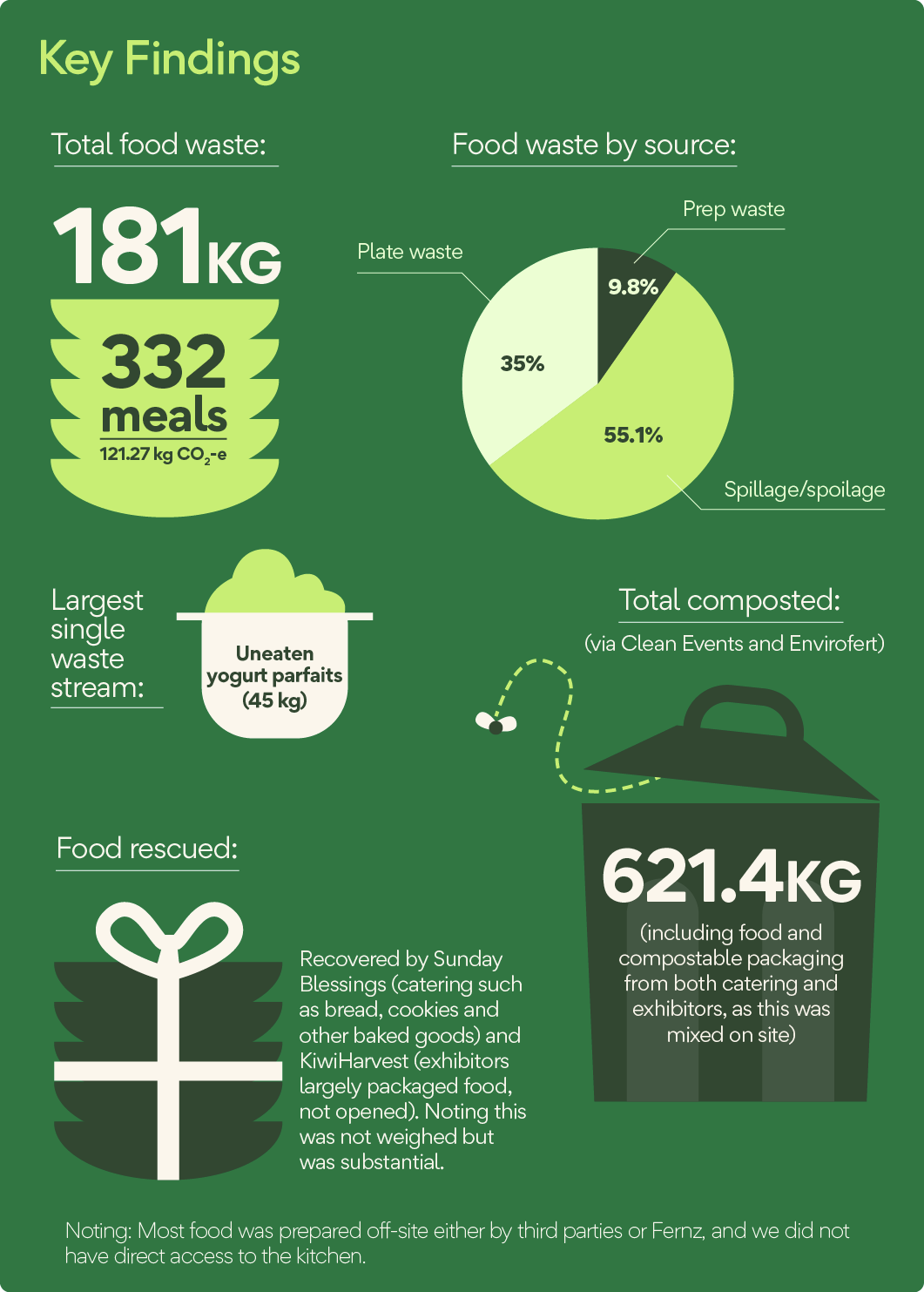
Teams tracked waste in real time using calibrated scales, paired the data with on-site observation and conversations and turned catering into a shared learning environment for planners, chefs and servers alike. Across the event, 181 kilograms of food waste were measured, more than 600 kilograms of organic material and certified packaging were composted and significant volumes of surplus food were safely redirected to community partners.
The findings revealed the biggest waste drivers and informed a confident year-two target of a 25 percent reduction through more flexible menu design, smarter portioning and forecasting aligned with attendance data.
What made it special
This project was more than an audit. It was a collaborative experiment in circular design that brought planners, chefs, servers and sustainability partners together around a shared goal.
By making food waste visible and measurable, the process sparked energetic conversations on site about how small operational tweaks could unlock big improvements. Prevention-first thinking was built into planning, live data enabled rapid decision-making during service and food-rescue partnerships created immediate social impact alongside environmental outcomes.
Together, Woolworths, Uno Loco and Circularity demonstrated how large-scale events can become living laboratories for regenerative hospitality and how practical changes, repeated year on year, can meaningfully shift how the industry designs food systems.